






Apple cider vinegar is a popular vinegar used in salads, sauces and home preserves, and sometimes diluted in water. Products sold under this name can differ considerably in ingredients, production and quality.
To understand the differences, it helps to know how apple cider vinegar is made and how long the process takes.
What is apple cider vinegar made from?
Traditional production involves three things:
- apples or apple juice
- a source of fermentable sweetness
- time
The sweetness feeds fermentation. The ingredients and process influence the finished product.
Apple cider vinegar made with sugar
This is one common method.
How it is made:
- use apples or apple juice
- add granulated sugar
- leave the mixture to ferment
- after the process is complete, vinegar is obtained
Sugar has a processing role: fermentation gradually turns the sweet liquid into an acidic product.
Possible characteristics:
- a sharper perceived taste
- a less pronounced apple aroma
- a consistent, predictable result when the process is controlled
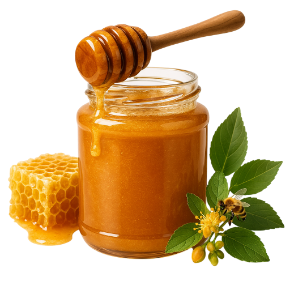
Apple cider vinegar made with honey
Using honey instead of granulated sugar changes the ingredients and can change the flavour.
In this method:
- honey provides fermentable sugars
- the process can develop gradually
- the flavour may become more rounded
- the apple note may remain more noticeable
Honey is used for the ingredients and flavour, not to make therapeutic promises. This vinegar is a food.
How long does apple cider vinegar take?
Time is an important factor in a traditional slow process.
- first changes may appear after 2-3 weeks
- a mildly acidic liquid may form after around 1 month
- traditional batches may need 2-3 months to develop into vinegar
- a more mature flavour may develop after 4-6 months or longer
These are illustrative timings for slow batches. Conditions and methods vary, and controlled commercial fermentation can work differently.
Commercial production and acid-based products
Commercial apple cider vinegar can also be naturally fermented. The following describes a different category: an acid-based, apple-flavoured product.
Such products may contain:
- water
- acetic acid
- apple flavouring or concentrate
This type can be consistent and inexpensive. For marinades or preserving, check the labelled acidity and follow a tested recipe.
Its ingredients and production differ from fermented apple cider vinegar; commercial scale alone does not determine which type it is.
Comparing one litre
An acid-based, flavoured product
- water
- acetic acid
- flavouring
Naturally fermented apple cider vinegar
- acetic acid formed through fermentation
- residual apple substances
- products of maturation
- a more complex flavour profile
The difference is not only the acidity percentage, but the composition of the rest of the bottle.
Everyday use
Use apple cider vinegar in small amounts: it remains acidic regardless of quality. Do not drink concentrated vinegar, and use food-strength products moderately.
Why some people prefer honey-fermented apple vinegar
- ingredients without refined sugar
- a gentler perceived taste
- less sharpness
- suited to regular culinary use
Conclusion
Apple cider vinegar products can differ despite similar names. The differences begin with ingredients, methods and time.
Acid-based products offer convenience and consistency. Naturally fermented apple vinegar with honey offers a slower approach and a developed flavour for everyday cooking.