



Honey during a cold: possible symptom relief
Honey may soothe a sore throat and ease some acute cough symptoms in people over one year old. Evidence is limited: eating honey does not establish an antibacterial treatment, immune boost or faster recovery from infection. Warm water, lemon or ginger can make a pleasant drink, without guaranteeing a stronger medical effect.
Possible uses and their limits
🍯 1. Antimicrobial activity is not the same as treating infection
Enzymes and hydrogen peroxide can contribute to honey’s antimicrobial activity under particular conditions. This does not prove that eating honey treats tonsillitis or other bacterial disease; seek appropriate care for concerning symptoms.
🌿 2. Soothing an irritated throat
Honey can feel soothing in the throat. Temporary comfort should not be described as a guaranteed anti-inflammatory effect or prevention of coughing.
🫁 3. Possible cough relief
Limited evidence suggests that honey may reduce some acute cough symptoms. It does not establish effectiveness for every dry or productive cough, nor replace assessment of a persistent or severe cough.
🌙 4. An evening routine
Some people enjoy honey before bed. If a cough feels less bothersome, rest may be easier, but improved sleep or faster recovery is not guaranteed.
💪 5. Immunity claims need perspective
Honey contains sugars, enzymes and small amounts of other compounds. This does not establish that a serving activates the immune system or prevents disease.
Ways to enjoy honey
📌 On its own: one serving idea is 1 teaspoon in the morning and evening, allowed to dissolve slowly; this is not a universal treatment dose.
📌 With warm water: stir into a glass of warm water for a comfortable drink.
📌 With warm milk: an optional evening drink if milk and honey suit your diet.
📌 With herbal tea: ginger, lemon or mint can add flavour; check your tolerance of the ingredients.
❗ Important: let hot drinks cool to around 40°C before adding honey to help preserve aroma and heat-sensitive compounds. Effects of heat depend on temperature and time.
Who needs extra care?
⚠️ Infants under one year: never give honey because of the risk of infant botulism.
⚠️ Diabetes: honey contains sugars; discuss portions within your individual meal plan.
⚠️ Allergy: avoid honey if you are allergic to it or the relevant bee products.
Honey varieties and flavour choices
Different honeys have different flavours and compositions. No variety has been established here as a universally superior cold treatment. These are examples of types or labels you may encounter:
Linden honey: traditionally used in warm drinks; the variety name does not guarantee cough relief or an immune effect.
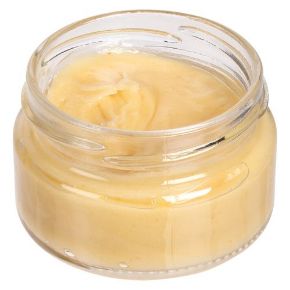
Blossom honey: comes from a mix of floral sources and offers varied flavours. It remains a food, not a proven infection treatment.
Honey labelled as blackcurrant honey: confirm whether this is floral honey or a mixture with fruit. The vitamin C content of berries cannot be assumed to apply to honey without analysis.
Conifer honey sold as “şam”: check the actual botanical source and whether it is honeydew honey. A general conifer label does not establish a respiratory treatment.
Lavender honey: appreciated for its floral aroma. It should not be presented as a guaranteed treatment for insomnia, anxiety or infections.
Choose a flavour you enjoy from a reliable producer, while considering allergies, sugar intake and individual needs. Varietal claims do not replace evidence or medical advice.
✅ Conclusion
Honey may offer temporary throat or cough comfort for people over one year old. It is not a cure for a cold or a substitute for appropriate care. Use modest portions, avoid it with relevant allergies, and never give it to infants under one.