
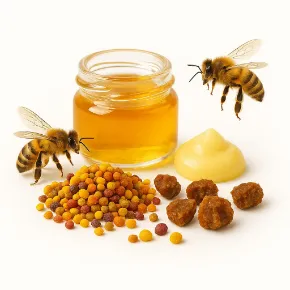


Honey is a sweet natural food whose colour, aroma, texture and composition vary with the plants from which bees collect nectar. These differences do not make a particular variety a treatment for disease.
This guide introduces the main honey varieties, their characteristics and the limits of common health claims.
Main honey varieties and their differences
1. Blossom honey (multifloral)
🔸 Origin: nectar from many flowering plants.
🔸 Colour: pale yellow to amber.
🔸 Flavour and aroma: delicate or rich, with notes that depend on the flowers.
🔸 Food use: a source of sugars and energy; claims about immunity or digestion are not treatment guarantees.
🔸 Character: composition varies with the region and harvest season.
💡 Examples include meadow, mountain and forest blossom honey.
2. Acacia honey
🔸 Origin: flowers sold under the common name acacia; confirm the botanical source with the producer.
🔸 Colour: almost clear or pale yellow, sometimes with a greenish tint.
🔸 Flavour and aroma: mild and delicate.
🔸 Food use: often relatively rich in fructose, but still raises blood glucose and is not automatically suitable for diabetes.
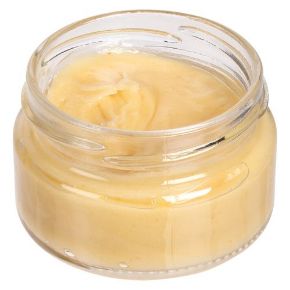
🔸 Character: often stays liquid for a long time, though it can crystallise.
💡 No honey is allergy-free; never give it to infants under one year.
3. Linden honey
🔸 Origin: linden blossom.
🔸 Colour: pale yellow or golden, sometimes whitish.
🔸 Flavour and aroma: sweet, with light menthol-like notes.
🔸 Traditional use: enjoyed in warm drinks during colds; it is not a proven treatment for infection.
🔸 Character: its traditional association with sweating and antiseptic effects does not establish a clinical effect from eating it.
💡 A familiar seasonal drink ingredient, not a substitute for flu treatment.
4. Buckwheat honey
🔸 Origin: buckwheat flowers.
🔸 Colour: dark yellow to brown.
🔸 Flavour and aroma: robust, slightly bitter and astringent.
🔸 Composition: contains trace minerals, including iron, but is not an anaemia treatment.
🔸 Character: contains phenolic compounds and amino acids in amounts that vary.
💡 Choose it for its distinctive taste, without assuming it treats heart or vascular disease.
5. Chestnut honey
🔸 Origin: chestnut blossom.
🔸 Colour: dark brown.
🔸 Flavour and aroma: bitter, astringent and spicy.
🔸 Traditional use: associated with antimicrobial and anti-inflammatory properties, but eating it is not an established treatment for digestive disease.
🔸 Character: can remain liquid for a relatively long time; timing varies.
💡 An option for people who enjoy less conventional flavours.
6. Sunflower honey
🔸 Origin: sunflower blossom.
🔸 Colour: bright yellow.
🔸 Flavour and aroma: sweet, with slight acidity.
🔸 Food use: a sweetener; claims that it detoxifies the body or prevents illness are not established.
🔸 Character: often crystallises quickly.
💡 Frequently used in cooking and baking.
7. Meadow and mountain honey
🔸 Origin: mixed flowers from meadows and mountain areas.
🔸 Colour: golden to dark.
🔸 Flavour and aroma: rich and varied.
🔸 Food use: a source of sugars and energy, not a proven nervous-system treatment.
🔸 Character: composition depends on the region and plants.
💡 Mountain honey may be valued for its floral character; origin alone does not guarantee greater health benefits.
How do you choose good honey?
📌 Aroma: floral or herbal notes can help describe a honey, but do not prove authenticity.
📌 Flow: a continuous thin stream reflects texture and temperature, not proof that honey is genuine.
📌 Water: dissolving speed is not a reliable authenticity test.
📌 Crystallisation: many honeys crystallise naturally; acacia and chestnut may do so slowly, but are not permanent exceptions.
Conclusion
Each honey variety offers a different combination of flavour, aroma, texture and composition. Choose linden, blossom, buckwheat or acacia according to your taste and dietary needs, without treating a variety name as a medical recommendation.
📢 Which honey do you enjoy most? Tell us in the comments!