


Linden honey is one of the most valued and well-known honey varieties, with a distinctive aroma, pleasant taste and beneficial properties. Bees gather it from linden blossom. The tree is often called the “queen of nectar plants”, valued both for its sweet nectar and its traditional uses for wellbeing.
🌼 Origin and characteristics
🟡 Nectar source: linden flowers (Tilia)
📍 Harvest regions: mainly woodland and foothill areas
📅 Linden flowering period: June to early July
🌿 Characteristics: linden releases abundant nectar in warm, humid weather, especially in the morning.
👁️🗨️ Appearance and taste
✨ Colour: pale yellow to amber
🍬 Taste: sweet and full, with a slight bitterness
👃 Aroma: distinctive linden blossom, with herbal and menthol notes
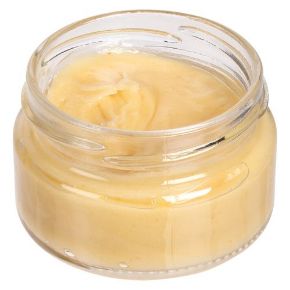
❄️ Crystallisation: after 3-6 months, developing a fine-grained texture
⚕️ Beneficial properties of linden honey
💛 Supports immunity
😴 Soothes the nervous system and helps sleep
🌡️ Helps with fever and inflammation
🫁 Helps during colds, bronchitis and sore throats
🧘 Helps ease headaches and stress
🍵 Supports the body’s cleansing processes and digestion
Linden honey is often recommended in traditional medicine as a natural fever-reducing and antiseptic food.
🧑🍳 How to enjoy linden honey
🥄 On its own - 1 tsp on an empty stomach
🍋 With warm water and lemon
🍯 With herbal tea
🍞 With bread, cottage cheese or porridge
⚠️ Do not add it to boiling water! Temperatures above 40°C reduce its beneficial qualities.
🏺 How to choose genuine linden honey
🔍 Colour - pale golden and clear
👃 Aroma - full and recognisable
🧪 Consistency - liquid in summer, thickening towards autumn
🚫 Signs of adulteration - it should not be excessively stringy or smell of sugar
✅ Buy from trusted beekeepers or specialist shops.
📦 Storage conditions
🌡️ Temperature: +5°C to +20°C
🌒 Location: dark and dry, away from strong smells
🚫 Avoid metal storage containers