


🍯 Paliurus honey - a fragrant gift of nature
Paliurus honey is a rare, beneficial variety gathered by bees from the nectar of an unusual shrub, Jerusalem thorn (Latin: Paliurus spina-christi). Known for its full flavour and valued properties, it is harvested in parts of Azerbaijan where the shrub flowers abundantly on clean mountain slopes away from industry. This article explains what makes it special, from the nectar-producing plant to the taste, beneficial qualities and uses of this naturally sourced product.
🌿 What is Paliurus, and why is it a nectar plant?
Jerusalem thorn is a shrub up to 3-4 metres tall with a dense crown and small yellow flowers, long valued as a nectar source. It grows wild on rocky slopes and woodland clearings, preferring dry, calcareous soils. It flowers in May in warm regions and June in foothill areas, attracting bees with abundant nectar.
🌸 The Latin name Paliurus is linked to a legend: the plant is called Christ’s thorn because tradition associates its thorny branches with the crown of thorns worn by Jesus.
💧 This resilient shrub releases nectar even in dry conditions, providing bees with a steady harvest.
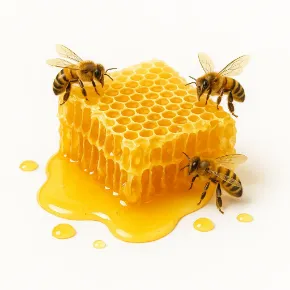
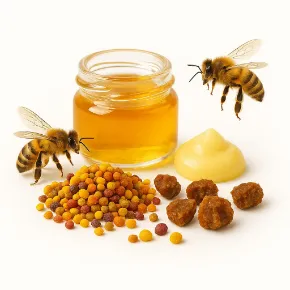
🐝 Bees readily visit the flowers, making it a reliable nectar source valued by beekeepers for distinctive honey.
🍯 Taste, aroma, colour and consistency
This monofloral honey from Paliurus blossom has a distinctive taste and aroma.
👅 Taste: full and tart, with a pleasant slight bitterness and astringent notes. It leaves a long, velvety finish.
🌺 Aroma: floral and spicy, with hints of summer herbs.
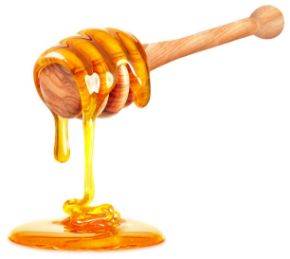
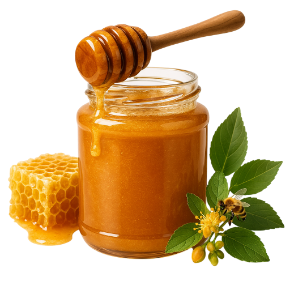
🎨 Colour: rich amber-orange, dense and shimmering.
🥄 Consistency: thick and viscous, holding a spoon upright. It stays liquid for a long time, typically 1-2 years and sometimes up to 3.
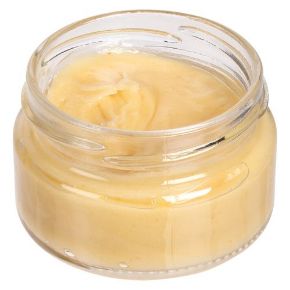
🧊 Even when it crystallises, the process is slow and forms fine crystals, keeping a delicate, melt-in-the-mouth texture.
💪 Beneficial properties
This honey contains:
-
Vitamins A, B, C and E
-
Natural antioxidants
-
Essential oils and enzymes
-
Minerals including calcium, magnesium and potassium
✅ General wellbeing and immune support
✅ Helps during tiredness, stress and overwork
✅ A soothing effect on the nervous system
✅ Antibacterial properties that inhibit microbial growth
✅ Anti-inflammatory properties
✅ Helps ease coughs and bronchitis and promotes expectoration
✅ Supports digestion and gentle intestinal cleansing
✅ Supports metabolism and the body’s cleansing processes
🌱 Environmental purity and natural origin
🌄 Paliurus grows wild on mountain slopes, woodland edges and valleys, away from towns and farms.
🚜 These areas are described as free from pesticides, polluted water and fertilisers.
🏕 Beekeepers move hives there for the flowering season, practising migratory beekeeping.
🍃 The honey is sourced from natural habitats, without heat treatment or pasteurisation.
🍽 How to use Paliurus honey
In food:
-
With cheese and meat dishes for a distinctive accent
-
With pancakes, porridge and cottage cheese dishes at breakfast
-
In tea, herbal infusions and milk for aroma and nutrients
-
By the spoonful to enjoy its flavour
For wellbeing:
-
During colds, with warm water and lemon
-
For a cough, with warm milk before bed
-
For a sore throat, let a spoonful dissolve slowly in the mouth
-
In the morning on an empty stomach for digestion and energy
👶 For children over 1 year old, as an alternative to granulated sugar
👩🎓 For students, as a source of energy and support for concentration
👩🦰 For women, as a naturally sweet addition to the diet
🧴 Used externally in skin masks and compresses
🏁 Conclusion: a natural treat for your table
Paliurus honey combines enjoyable flavour and beneficial qualities in a distinctive product.
🌿 Gathered from a wild shrub in clean parts of Azerbaijan.
🌞 For people who value natural foods and wellbeing.
💛 Its flavour enriches dishes, while its properties support immunity.
Try this fragrant gift of nature: it may become your favourite honey!
📚 Sources: beekeepers’ long experience and research on the plant Paliurus spina-christi.