


Introduction
The immune system protects the body against infections and other threats. Sleep, nutrition and general health matter. Honey is often described as a natural way to support wellbeing.
What does honey contain, what is known about its effects, and how can it fit into everyday eating?
Honey, composition and immunity claims
1. Natural antioxidant compounds
🍯 Honey contains flavonoids and phenolic compounds. Their amounts vary; laboratory antioxidant activity does not establish anti-ageing or infection-prevention benefits from eating honey.
2. Antimicrobial properties and their limits
🦠 Components such as hydrogen peroxide and enzymes can contribute to antimicrobial activity in particular conditions. This does not mean eating honey treats inflammation or eliminates a viral or bacterial infection.
3. The gut and immune function
🌿 The gut has an important role in immune function, but a single “80%” figure oversimplifies it. Honey’s possible prebiotic effects are studied; that does not make honey a proven treatment for digestive problems.
4. Comfort during recovery
🤧 Honey may help some cough symptoms in people over one year old, but has not been established as a way to shorten flu or other infections:
✅ It may soothe the throat and ease a cough temporarily.
✅ This is not proof that it treats inflammation in the airways.
✅ It supplies energy through its sugars, without guaranteeing faster recovery.
💡 Note: Honey has a long history in wound care. Modern medical wound products are different from ordinary food honey; do not substitute a jar of honey for clinical care.
How should you choose a honey?
✔ Paliurus honey offers its own floral flavour; calming or immune effects are not guaranteed.
✔ Buckwheat honey has a strong taste and antioxidant compounds, but is not an iron-deficiency treatment.
✔ Linden honey is traditionally enjoyed in warm drinks during colds.
✔ Acacia honey tastes mild, but is not allergy-free and is unsuitable for infants under one.
✔ Chestnut honey has a distinctive bitter flavour; this does not establish a clinical antibacterial effect from eating it.
💡 Tip: Many honeys crystallise naturally, but the timing varies. Remaining liquid is not, by itself, proof of fraud.
How can you enjoy honey sensibly?
✅ A small morning portion - for example, 1 teaspoon in warm water; an empty stomach is not required and does not “activate” immunity.
✅ Mix with lemon and ginger for flavour, without assuming the mixture prevents colds.
✅ Add to warm tea or milk after it has cooled to around 40°C or below to help preserve aroma and heat-sensitive components.
✅ Enjoy a little on its own if you prefer not to add it to a drink.
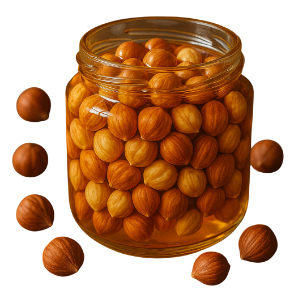
✅ Combine with nuts for variety, if you can safely eat the ingredients.
🚫 What should you avoid?
❌ Unnecessary boiling or prolonged heating.
❌ Large portions. The source’s 1-2 tablespoons a day is an example, not a universal recommended dose; count honey among dietary sugars.
❌ Giving honey to infants under one year because of the risk of infant botulism.
Conclusion
Honey is a food with a varied natural composition, not a proven way to prevent infections or guarantee faster recovery. To enjoy it sensibly, choose a reliable source and portions suited to your needs.
📢 How do you enjoy honey in everyday meals? Share your recipes in the comments! 🐝🍯💪