


Bee products for children: what and from what age
Bee products offer considerable health benefits, but introducing them into children’s diets requires particular care. A child’s body is still developing, so the aim is not only to support immunity and nutrition but also to avoid allergic reactions. This article explains which bee products can be given to children, at what age, and which rules to follow.
🐝 Which products can children have?
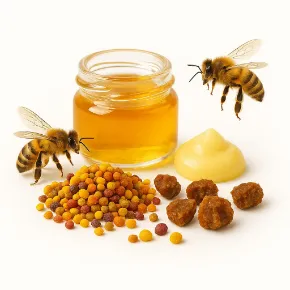
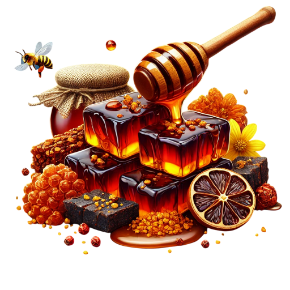
- Honey - from 1 year of age. Start with a very small amount, just the tip of a spoon, added to porridge or warm tea. Mountain, acacia and blossom honey are suitable choices. Honey is not recommended for children under one because of the risk of botulism.
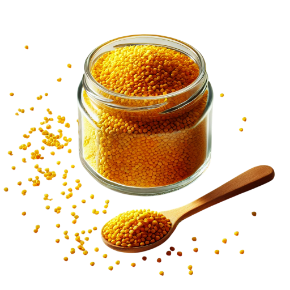
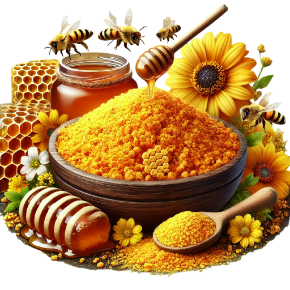
- Pollen - from age 3. Rich in vitamins, enzymes and proteins. Offer a pinch and watch for a reaction. It is useful for weakened immunity, poor appetite and anaemia.
- Bee bread - from age 3. It is easier to digest than pollen and has a low allergy risk. A quarter of a teaspoon can be given in the morning on an empty stomach. It helps with fatigue, poor sleep, periods of rapid growth and recovery after illness.
- Propolis - as an aqueous solution from age 5, on a doctor’s advice. It has a pronounced antiseptic effect. It is used for respiratory infections, tonsillitis and stomatitis, but requires caution because of possible allergy.
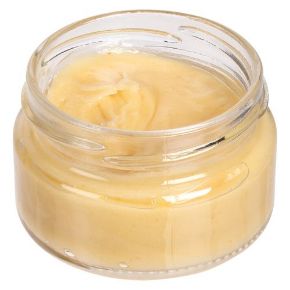
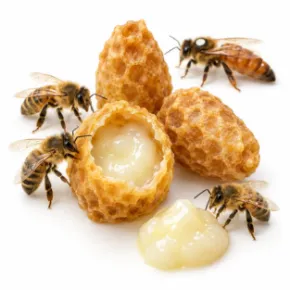
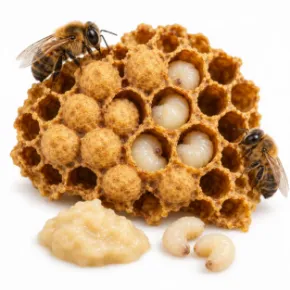
- Royal jelly and drone brood homogenate - not recommended for children without specific indications. They are used only for medical reasons under a doctor’s supervision.
🧸 Rules for introducing these foods
- Always start with tiny amounts, literally a grain.
- Introduce one product at a time and watch for a reaction for 2-3 days.
- Do not give the first serving on an empty stomach; after a meal is preferable.
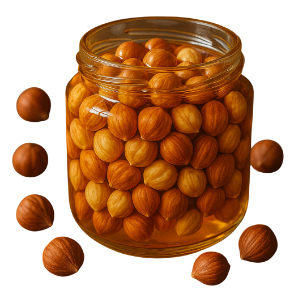
- Do not combine with allergens such as milk, citrus fruit or nuts.
- If a rash, itching or digestive upset occurs, stop the product and consult a doctor.
📋 When bee products are particularly useful
- Between seasons, to help prevent respiratory infections.
- For poor appetite or delayed growth.
- After illness, to restore strength.
- For poor sleep, hyperactivity or nervous strain.
- To strengthen bones, teeth and immunity.
👨🌾 A beekeeper’s advice
When parents ask what their children can have, I always suggest starting with pure, good-quality honey, preferably acacia or mountain honey. A teaspoon added to morning porridge gives a child both flavour and substantial natural support. Bee bread is another good option, especially for schoolchildren. The key is to take your time and watch reactions carefully.
Natural bee products do not replace medicines, but complement a balanced diet. Used thoughtfully, they can benefit a child. Our products are natural, without additives or chemicals, and come from a reliable apiary.