
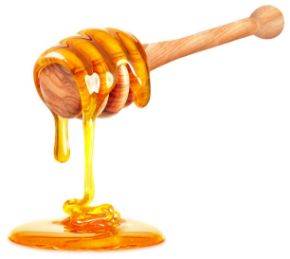

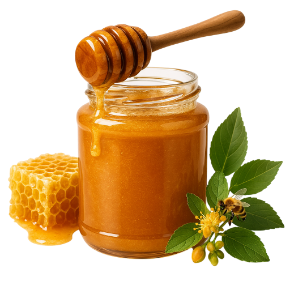

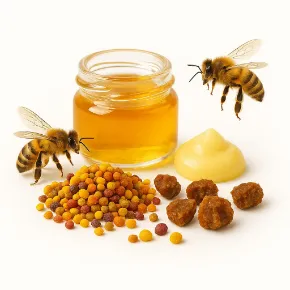
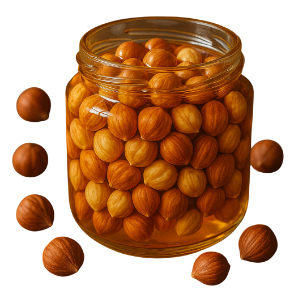




Gastritis involves inflammation of the stomach lining and may cause discomfort or indigestion. People sometimes seek natural products such as honey. But can it be considered a treatment?
📌 What is gastritis?
Gastritis has several causes and forms; it is not simply divided into two diseases by acidity. Symptoms may be discussed alongside:
-
🔸 reduced acid secretion or feelings of fullness, which require proper assessment;
-
🔸 heartburn or acid-related discomfort, which alone does not establish gastritis or its cause.
Possible causes and related factors include:
-
dietary irritants that may worsen symptoms, though diet is not the usual cause of most gastritis;
-
severe physiological stress during critical illness, distinct from everyday worry;
-
infection, including Helicobacter pylori),
-
certain medicines and other diagnosed conditions.
✅ Can honey help with gastritis?
Some people find honey pleasant to eat, but it is not an established treatment for gastritis or H. pylori infection.
🍯 Common claims and their limits:
-
🔹 A protective coating of the stomach lining is not a guaranteed clinical effect from a serving of honey.
-
🔹 Laboratory anti-inflammatory findings do not establish a gastritis treatment.
-
🔹 Eating honey is not a proven way to eradicate Helicobacter pylori.
-
🔹 Faster healing of stomach damage is not guaranteed.
-
🔹 Do not rely on honey to relieve severe pain or spasms.
🕒 If you want to include honey in your diet
Discuss suitability with your clinician rather than following a fixed remedy schedule:
-
🥄 A commonly suggested serving is 1 teaspoon in warm water, sometimes advised 1.5-2 hours before a meal, but this timing is not a validated gastritis treatment.
-
🥶 Choose water that is comfortably warm, not hot; prolonged heat can affect aroma and enzymes.
-
⏰ Avoid foods that worsen your own symptoms rather than assuming one rule suits everyone.
-
🌿 Chamomile or mint tea is a flavour option only if it suits you; it is not a universal gastritis remedy.
📌 If symptoms involve heartburn or high acidity, do not assume honey will reduce stomach acid.
📌 With suspected low stomach acidity, seek a diagnosis and individual advice before using honey as a remedy.
⚠️ When is extra care needed?
-
❌ A known allergy to honey or the relevant bee products.
-
❌ Diabetes without an agreed plan for its sugar content.
-
❌ A flare-up with severe pain: seek medical assessment rather than self-treating with honey.
🍽️ Choosing a honey
🍯 Paliurus honey and stomach-health claims
Honey from Paliurus (qaratikan) is sometimes promoted for digestive health, but those claims need clinical evidence.
-
🌿 Claims that it reduces inflammation or relieves gastritis, heartburn or ulcers are not a substitute for proven care.
-
🦠 Natural antimicrobial compounds do not show that eating this honey eradicates Helicobacter pylori, a recognised cause of chronic gastritis.
-
💧 Taking it in warm water on an empty stomach does not establish a healing treatment.
-
🔥 Honey quality matters, including authenticity and careful heat handling, but these do not turn it into a medicine.
📌 In particular, Paliurus honey should not be presented as a proven stomach medicine.
Other flavour choices include:
-
🍀 Linden honey - valued for flavour, without a guaranteed anti-inflammatory effect.
-
🌸 Blossom honey - not a specific treatment for low acidity.
-
🌿 Buckwheat and forest honey - have varied compositions, not guaranteed medicinal mineral levels.
🎯 Choose genuine, well-stored honey if it suits your diet. Never give it to infants under one; processing labels alone do not establish treatment effectiveness.