


Introduction
Honey is valued as food, but it can also be adulterated. Possible additions include sugar syrups, starch, water, flavourings or mineral fillers. The resulting product is not the honey the buyer expected and may have unknown quality or safety.
How can you choose genuine honey and reduce the risk of fraud? This article explains honey’s variable characteristics, the limits of home checks and useful purchasing questions.
• • •
How can genuine honey look and behave?
- Texture
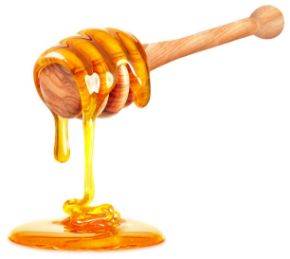
✅ Genuine honey may be thick and viscous and form a continuous thin thread.
❌ Adulterated honey can also be thick or very runny; dripping or spreading alone does not distinguish them.
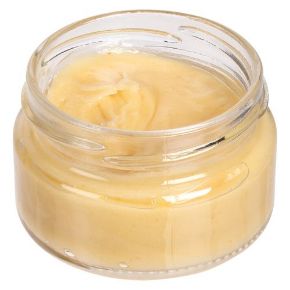
💡 Note: Many honeys crystallise within a few months, while acacia, Paliurus and chestnut can remain liquid for much longer. There is no universal timetable.
- Aroma and flavour
✅ Genuine honey may have floral or herbal aromas depending on the nectar source. Its flavour may be complex, rich and lingering.
❌ Adulterated honey may have a weak or absent aroma or taste like plain sugar syrup, but genuine mild varieties also exist; sensory checks are not conclusive.
💡 Tip: A very simple sweet taste may prompt questions about added syrup, but cannot prove it.
- Dissolving in water
🔬 How can you check?
📌 Mix 1 teaspoon of honey into a glass of warm water.
✅ Genuine honey may dissolve slowly or quickly depending on stirring, temperature and texture.
❌ Adulterated honey may behave similarly; quick dissolving and water colour are not proof of fraud.
💡 Note: Honey contains pollen, enzymes and natural sugars, but these do not make the water test a reliable authenticity analysis.
Common home checks and their limitations
- Iodine: a reaction with starch
📌 A common demonstration adds a few drops of iodine.
✅ No colour change does not prove that honey is genuine.
❌ A blue colour may indicate starch, not all adulterants. Do not eat chemically tested samples.
- Vinegar: a possible carbonate reaction
📌 A common demonstration mixes honey with water and a few drops of vinegar.
✅ No visible reaction does not certify purity.
❌ Foaming or fizzing may involve carbonates, but is not a complete analysis of honey.
- The burning-test myth
📌 Do not set a honey-soaked cotton swab alight. It is a needless fire risk.
✅ A burning or charred swab does not prove authenticity.
❌ A sample that hisses or does not catch fire cannot be diagnosed as adulterated by this test.
- Paper: observing moisture and spreading
📌 Put a little honey on a paper towel.
✅ Honey may remain as a dense drop or spread depending on the paper and sample.
❌ A quickly spreading wet mark does not prove that water was deliberately added.
💡 Tip: Keep honey dry, closed and away from light, around +5°C to +20°C to help preserve its quality.
What should you check when buying honey?
✔ Buy from reliable beekeepers or producers with verifiable quality information.
✔ Check packaging and ingredients; plain honey should contain only honey.
✔ Consider crystallisation, but if honey is liquid in autumn or winter, it does not automatically mean it was overheated. Floral source and storage conditions matter.
✔ Assess the aroma; it can be distinctive or mild and is not a certificate of authenticity.
💡 Tip: At a market, watching a drop of honey run across a plate shows texture, temperature and moisture effects, not a dependable difference between genuine and adulterated honey.
Conclusion
To choose genuine honey, use appropriate analytical evidence and traceability, buy from reliable producers and use flavour, aroma and texture to describe the product, not to prove authenticity.
📢 Which honey checks have you tried? Share your experience while remembering their limitations. 🐝🍯