
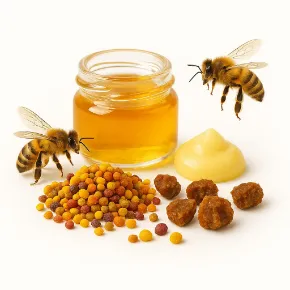
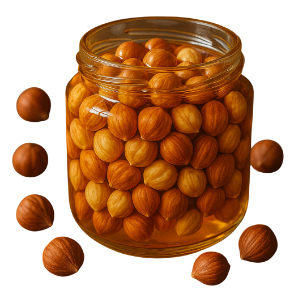
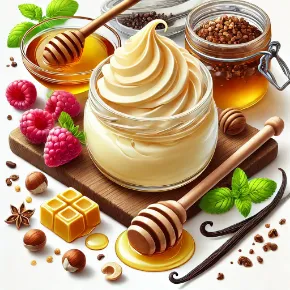


Mountain honey is a distinctive product gathered by bees in high-mountain meadows, far from roads, factories and pollution. It is valued for its purity, rich composition and full flavour, with notes of wild herbs, flowers and fresh mountain air.
📍 Origin and characteristics
🟢 Source: nectar from wild alpine and subalpine plants
⛰️ Harvest altitude: 1,000-2,500 metres above sea level
📆 Harvest period: June to August
🌱 Conditions: environmentally clean areas away from human activity
🍯 Taste, aroma and consistency
👁️ Colour: amber to dark brown
👃 Aroma: rich and herbal, with subtle smoky or woody notes
👅 Taste: complex, with hints of bitterness, spice and fresh herbs
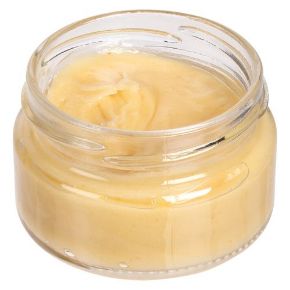
🧊 Crystallisation: slow, eventually becoming creamy
💊 Beneficial properties
🛡️ Supports immunity
🧠 Helps concentration and memory
🌬️ Helps during colds and respiratory illnesses
🩸 Supports heart and blood vessel health
🌿 Has anti-inflammatory and antiseptic properties
🍽️ Supports digestive function
🧭 How to choose genuine mountain honey
🔍 Look for:
-
A glass jar and a natural aroma
-
A stated harvest region and period
-
Slight bitterness, characteristic of wild herbs
-
No cloying caramel taste
🥄 Ways to enjoy it
☀️ In the morning on an empty stomach, for general support
🍵 With warm water or herbal tea during colds
🥗 In dressings and desserts for flavour and beneficial qualities
❗ Do not heat above 40°C, to preserve its beneficial qualities
📦 Storage conditions
🌡️ Temperature: 5-20°C
🚫 Do not refrigerate
🌑 Keep in a tightly closed jar in a dark place
🧾 Conclusion
Mountain honey is more than a treat: a natural food from quiet mountain landscapes and rare, pure flowers. It can be enjoyed for everyday wellbeing and as natural support during illness or tiredness.