



Introduction
Azerbaijan is known for its high-quality honey. Its rich flora and warm climate support a developing beekeeping sector. Today it is both a traditional craft and a potential business opportunity. State support may be available subject to current programme rules.
How can you start beekeeping in Azerbaijan? What documents and costs should you consider? We explore the stages from a first hive to selling honey.
Step 1: Choose an apiary site
🌿 Azerbaijani regions known for beekeeping:
✔ Qusar, Gabala, Oghuz, Sheki, Lerik and Qakh - mountain areas with clean natural surroundings.
✔ Zaqatala - known for chestnut honey.
✔ Shamakhi and Ismayilli - conditions suited to mountain and meadow honey.
📌 What matters when choosing a site?
✅ A clean environment, away from industry and busy roads.
✅ Diverse nectar plants: acacia, linden, Paliurus, chestnut and meadow herbs.
✅ Access to water near the hives.
✅ Protection from strong winds and shade on hot days.
💡 Tip: If you do not own land, you can agree with farmers to place hives near farmland.
Step 2: Buy bees and hives
🐝 Which hive type?
✔ Dadant hive - a classic option for beginners.
✔ Multi-box hive - an option used in Azerbaijani conditions.
✔ Horizontal hive - less mobile, but convenient to maintain.
📌 Where can you buy bees?
✅ From specialist apiaries, for example in Gabala, Oghuz, Sheki or Zaqatala.
✅ Buy starter colonies with a queen and frames.
✅ Catching wild swarms is possible but requires experience.
💡 A point to know: Azerbaijan is known for grey Caucasian bees valued for their adaptation and honey gathering.
Step 3: Basic bee care
🐝 What should a new beekeeper know?
🔹 Spring - inspect hives, expand colonies and assess the need for early feeding.
🔹 Summer - manage swarming and take the first honey harvest.
🔹 Autumn - prepare for winter, insulate hives and manage Varroa.
🔹 Winter - keep inspections minimal and monitor ventilation and food.
✅ Essential points:
✔ Protect bees from Varroa and diseases.
✔ Avoid unnecessary disturbance.
✔ Monitor swarming to avoid losing part of a colony.
💡 Tip: An example starting scale is 5-10 hives while learning to work with bees.
Step 4: Honey and other bee products
🍯 What can be sold besides honey?
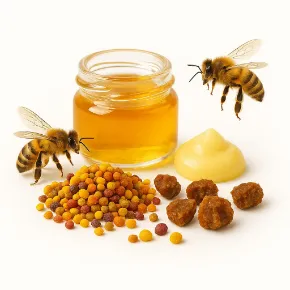
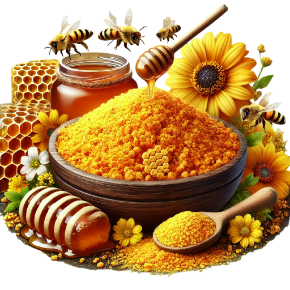
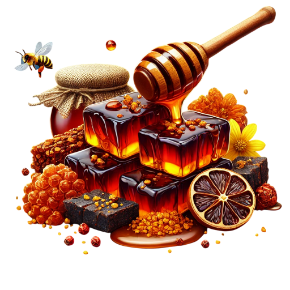
✔ Propolis, valued for its antimicrobial properties.
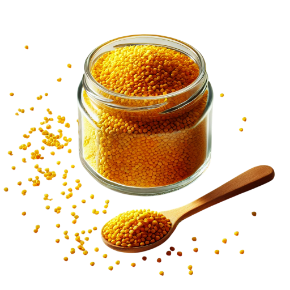
✔ Bee bread, a vitamin-containing food.
✔ Beeswax for candles and cosmetics.
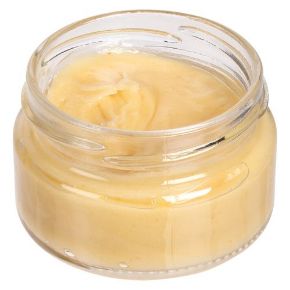
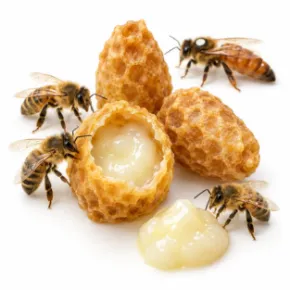
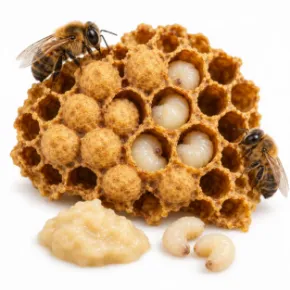
✔ Royal jelly, used in traditional care.
📌 Approximate honey harvest periods in Azerbaijan
✔ Acacia honey: April-May, depending on location.
✔ Paliurus honey: May-June.
✔ Linden honey: June-July.
✔ Chestnut honey: June-July.
✔ Mountain honey: August-September in this example.
💡 A point to know: Azerbaijan’s mountain regions produce distinctive honey varieties that are valued abroad.
Step 5: Business registration and support
📜 How do you formalise an apiary?
✅ Choose an appropriate registered form, such as a sole proprietorship or a company.
✅ Check food safety registration and document requirements with the Food Safety Agency of Azerbaijan.
✅ Consider contacting the Azerbaijan Beekeepers Association for support.
💰 State support to investigate
✔ Apiary development subsidies - subject to current eligibility rules.
✔ Equipment grants - check open programmes and eligibility.
✔ Tax relief may apply to eligible agricultural producers; confirm current rules with the tax authority.
💡 Tip: Consider participating in the Baku honey fair to meet buyers.
Step 6: Selling honey and marketing
📈 Where can honey be sold?
✔ At markets and fairs especially in Baku and Ganja.
✔ Through online shops and marketplaces.
✔ To cafés, restaurants and hotels that use natural honey.
✔ For export - explore destinations such as the UAE and Türkiye, subject to import requirements.
✅ How can you attract customers?
✔ Clear, attractive photos and packaging.
✔ Genuine quality documents that support trust.
✔ Tastings and participation in honey events.
💡 Tip: Honey can be offered in the comb, glass jars or gift sets.
What might an apiary cost in Azerbaijan?
📊 Illustrative startup budget for 10 hives - not a current quotation:
- Buying bees (10 colonies) - from 1500 AZN.
- Hives and frames - from 1000 AZN.
- Equipment: extractor, suit and smoker - from 800 AZN.
- Feed and treatments - from 500 AZN.
- Business registration - from 200 AZN.
💰 Total: around 4,000 AZN (actual costs depend on scale, suppliers and current quotations).
💡 An illustrative yield: A colony may produce up to 30 kg of honey in a season; profit depends on actual yield, sale prices and all operating costs.
Conclusion
Beekeeping in Azerbaijan can be a promising business with a modest initial scale. The essentials are a suitable site, good bee care and a workable sales plan.
📢 Do you keep bees, or would you like to start? Share your thoughts in the comments! 🐝🍯