


🧪 What makes honey distinctive?
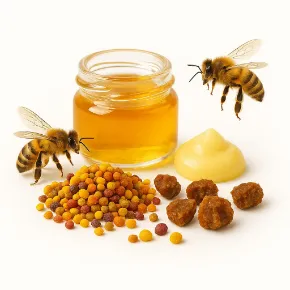
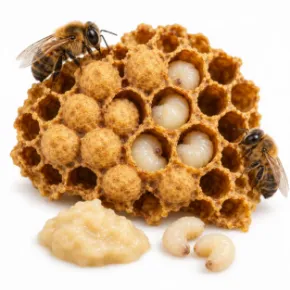
Honey is a natural food made by bees; for believers, it is also a gift from Allah. Its composition is a complex mix of sugars and many minor compounds, including enzymes, trace vitamins and minerals, amino acids, phenolic compounds and organic acids. This makes it an interesting food for research, not automatically a medicine.
🛡️ 1. Antimicrobial findings and immunity claims
Research examines honey’s antibacterial and other biological activities. Laboratory activity does not establish that eating honey prevents colds, viral infections or other disease.
📚 Laboratory antimicrobial studies can show inhibition of particular bacteria under test conditions. This differs from proving treatment effectiveness in a person.
❤️ 2. Heart and vascular research
Claims that honey improves blood-vessel elasticity or reliably changes LDL and HDL cholesterol do not establish prevention of atherosclerosis or a lower stroke risk from a daily serving.
🧠 Antioxidant research is valuable, but laboratory or animal findings should not be described as proof that honey slows vascular ageing in humans.
🧘♂️ 3. Stress, sleep and evening routines
A serving of honey has not been established to predictably increase serotonin and thereby provide a clinical sleep effect through melatonin. This is an oversimplified explanation, not a treatment recommendation.
🌙 A teaspoon before bed can be a food preference, not a proven sedative dose.
🍽️ 4. Stomach and gut health
Claims about healing the stomach lining, normalising acidity or eradicating Helicobacter pylori are not established treatment indications for food honey. Possible effects on gut bacteria remain a research subject.
⚕️ Traditional use for gastritis or ulcers does not replace diagnosis and cause-specific treatment.
🧬 5. Antioxidant compounds
Honey contains flavonoids and phenolic acids studied for antioxidant activity, but this does not guarantee slower ageing. Amounts vary by sample and floral origin; a dark colour or a Paliurus or chestnut label is not a clinical guarantee.
💪 6. A source of food energy
Honey’s main sugars are glucose and fructose, which provide carbohydrates and calories. This can fit some activity plans, but persistent fatigue needs assessment rather than a promise of recovery.
🏃♀️ Natural does not mean free from adverse effects: honey can raise blood glucose, contribute sugars and cause allergy.
🦷 7. Medical honey in wound care
Certain medical-grade honey products are used for selected wounds under professional guidance. Results vary by wound and product; ordinary shop-bought honey must not be applied to open wounds or burns as a substitute.
🩹 Medical-grade preparations are processed for clinical use; a jar of food honey is not a sterile wound dressing.
👶 8. Honey and children
For children over one, small portions may fit a varied diet if there is no relevant allergy. Limited evidence suggests possible cough-symptom relief, not guaranteed immune protection. Always keep honey away from infants under one year because of infant botulism risk.
📏 Everyday use
-
🥄 One or two teaspoons is a small serving example, not a universal optimal adult dose. Count honey within your overall sugar intake.
-
Let boiling drinks cool before adding honey to preserve flavour and heat-sensitive compounds. Heat effects depend on time and temperature, not an instant 40°C threshold.
-
Morning or evening use is a personal preference; an empty stomach is not required for a proven health advantage.
🔍 Conclusion
Honey is a food with interesting natural compounds, but laboratory findings, traditional use and clinical treatment are different kinds of evidence. Avoid promises of universal immunity, heart, stomach or anti-ageing benefits. Choose genuine honey from a traceable producer and enjoy portions appropriate for your needs.