Honey contains natural compounds studied for many effects, but laboratory findings are not universal clinical benefits. Explore the evidence, medical versus food honey, sugar considerations and the infant safety rule.
Honey's colour and flavour vary with flowers, season, climate and storage. Learn about crystallisation, ageing and heating, and why a change in appearance alone does not prove authenticity.
Honey varieties differ in origin, colour, aroma, texture and flavour. Compare seven familiar types and learn why variety names, colour and home observations do not guarantee medical benefits or authenticity.
Premium honey is a high-quality natural product valued for its rich flavour, aroma and beneficial qualities. This guide explains how it is produced, why it costs more and what to look for when choosing it. It covers popular varieties, including rare Paliurus honey, known for its astringent taste and valued properties. A practical introduction for a broad readership.
Choosing genuine honey requires more than a water, iodine or burning test. Learn how natural variation affects appearance and why reliable producers, traceability and appropriate laboratory evidence matter.
Honey can be adulterated with syrups or other substances. Explore the economic incentives, common fraud methods and the limits of home tests, with practical advice on traceability and reliable suppliers.
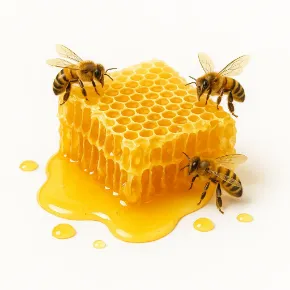
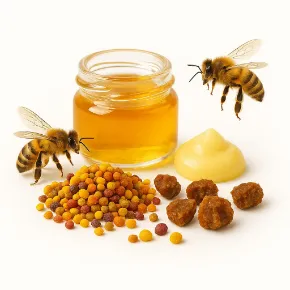
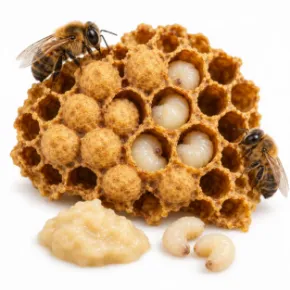
Natural honey is a product that honey bees make from flower nectar or honeydew. Bees process the nectar, enrich it with enzymes, reduce its moisture and seal the comb. Beekeepers remove and uncap the frames, extract the honey and strain it before storage. Good-quality natural honey has a characteristic aroma, viscous consistency, colour and taste, without foreign impurities.