Choosing genuine honey requires more than a water, iodine or burning test. Learn how natural variation affects appearance and why reliable producers, traceability and appropriate laboratory evidence matter.
A bitter note can be natural in some honey varieties, but unpleasant smells or chemical and burnt flavours deserve attention. Learn about floral sources, composition, storage, heating and the limits of home tests.
Charitable work is part of our business philosophy. This article describes support for children, low-income families and beekeeping in Azerbaijan, and how customers can take part.
Honey prices reflect many factors, from floral origin and production to packaging and branding. Explore five useful comparisons and why neither high nor low prices establish authenticity.
Honey packaging protects the product and supports marketing. Honey needs a sealed, suitable and convenient container that meets applicable quality and safety requirements. This article explores packaging choices, common mistakes and points to check for market and online sales.
Beekeeping can be a business opportunity that starts at a modest scale. Planning an apiary involves choosing a site, buying hives and bees, learning their care and arranging sales. This guide outlines the steps, including regions to consider, legal requirements to verify and routes for selling honey.
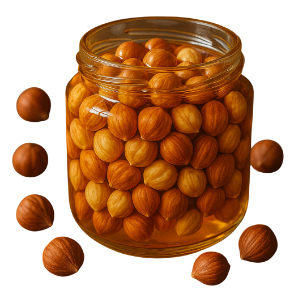
Morning honey can be enjoyed in water, on its own, with turmeric or with nuts. Compare five varieties and practical portions, without assuming an empty stomach boosts immunity, treats gastritis or makes honey safe for diabetes.
Honey has a special place in Islamic texts and customs. Explore Surah An-Nahl 16:68-69 and hadith accounts, distinguish spiritual meaning from medical advice, and learn why honey must never be given to infants under one.
Honey contains sugars, enzymes and other natural compounds. Learn what these mean for everyday use, why laboratory activity is not proof of infection prevention, and how limited cough-relief evidence differs from an immunity guarantee.
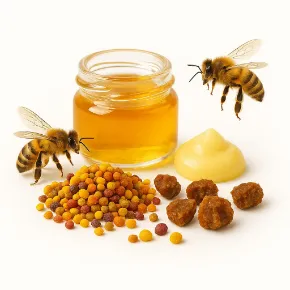
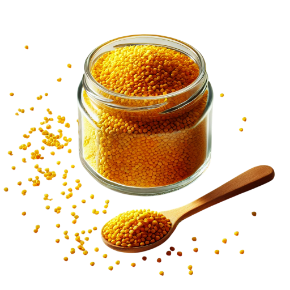
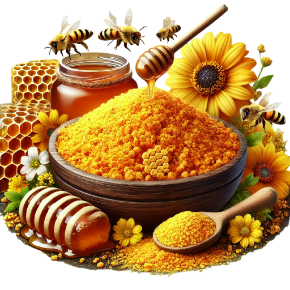
Bee bread is a distinctive bee product made from flower pollen that bees process and ferment. Its concentration of proteins, vitamins, amino acids and enzymes has earned it the name superfood. Bee bread improves immunity, metabolism, and heart and brain function. This article explains how it is collected, its benefits and how it is consumed.