Honey can be adulterated with syrups or other substances. Explore the economic incentives, common fraud methods and the limits of home tests, with practical advice on traceability and reliable suppliers.
Bees are more than honey producers: they are important pollinators. Their loss would harm agriculture, reduce fruit and vegetable yields and disrupt ecosystems. This could affect food availability, prices and the wider environment. The article explores threats to bees and practical ways to help protect them.
Part of the proceeds from honey sales supports children’s homes. This helps children receive nutritious food, clothing, education and support with social integration. The article explains how the charitable programme works, where donations go and how each buyer can help.
Simple kitchen tests cannot reliably prove that honey is genuine. Learn what seven common checks actually show, why burning tests should be avoided, and why traceability and suitable laboratory analysis matter.
Selling honey through marketplaces can provide a way to earn from beekeeping. Getting started involves registering on a suitable platform, creating an accurate listing, choosing packaging and arranging delivery. Legal and platform requirements matter, along with clear photos, honest descriptions and marketing tools. This article outlines the process step by step.
Honey-making is a complex process in which every bee has a role. Foragers find nectar, house bees process it with enzymes and the honey matures in the comb. Bees reduce the water content from around 70% in nectar to 16-18% in mature honey, then seal it with wax. This article follows the stages and explores remarkable facts about bees.
You can add honey to hot tea, but with care. Above 40-45°C, beneficial enzymes and vitamins break down; heating above 60°C may produce harmful substances such as hydroxymethylfurfural (HMF). To preserve honey’s benefits, add it to warm tea below 40°C or eat it separately alongside your drink.
Honey holds symbolic and cultural meaning in many religions. Explore Islamic texts, Christian imagery, Buddhist offerings and other traditions, with care over textual differences and health claims.
Honey can raise blood glucose. Whether a portion fits your diet depends on your treatment plan and individual response. Variety names and quoted glycaemic-index figures do not guarantee suitability; discuss portions with your diabetes care team.
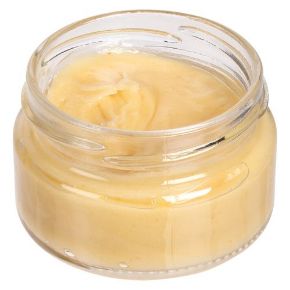
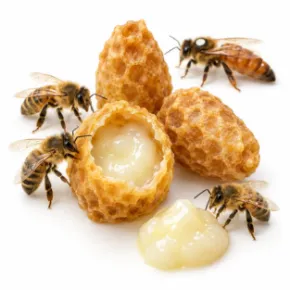
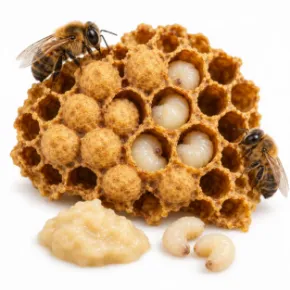
Royal jelly is a distinctive substance secreted by young nurse bees to feed larvae and the queen. It is rich in vitamins, amino acids, proteins and enzymes, making it valuable for human health. Royal jelly strengthens immunity, slows ageing, improves brain function and helps with various conditions. The difficulty of collecting and storing it makes it one of the most expensive bee products.