
Search
EN
RSS

Blog

Drone brood homogenate: a natural biostimulant from the hive
(0) Drone brood homogenate: a natural biostimulant from the hive
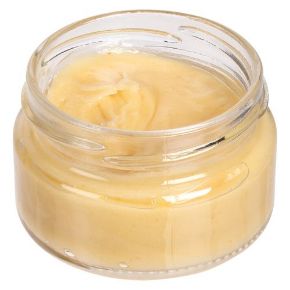
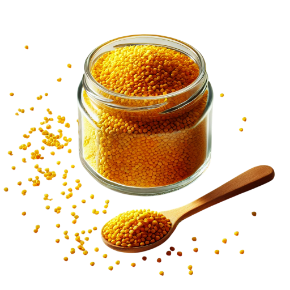
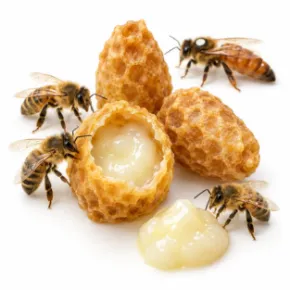
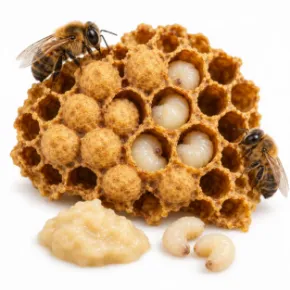
Drone brood homogenate is a natural product from drone larvae, rich in hormones, amino acids, vitamins and enzymes. It is used as a natural biostimulant to strengthen immunity, raise energy and regulate hormonal balance. It is particularly beneficial for male sexual potency, women experiencing hormonal fluctuations and people recovering from illness. Available fresh, with honey or in capsules, it requires correct storage and moderate use.
Propolis: a natural antibiotic, its properties and uses
(0) Propolis: a natural antibiotic, its properties and uses
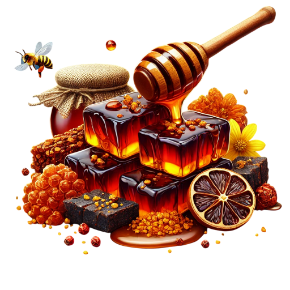
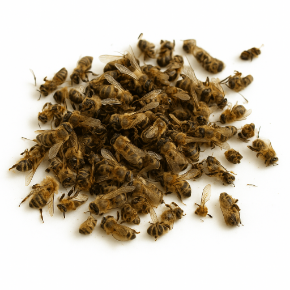
Learn what propolis is, what it contains and how it is used. This article presents its strong antiseptic, anti-inflammatory and restorative properties, forms of use and important points to consider. Propolis is a natural bee product described as a broad-spectrum natural antibiotic.
Honey varieties: how do they differ?
(0) Honey varieties: how do they differ?
Honey varieties differ in origin, colour, aroma, texture and flavour. Compare seven familiar types and learn why variety names, colour and home observations do not guarantee medical benefits or authenticity.
Bee pollen: from flower to health benefits
(0) Bee pollen: from flower to health benefits
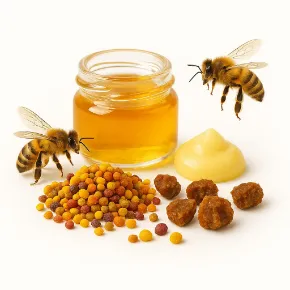
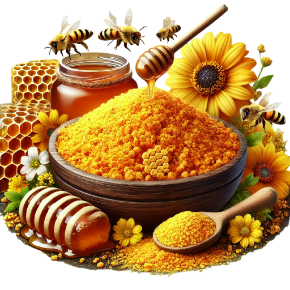
Bee pollen is a beneficial product collected by bees and known for its rich composition. It contains proteins, vitamins, minerals and antioxidants, earning it the name natural superfood. Pollen strengthens immunity, increases energy and supports the cardiovascular and digestive systems. This article covers its benefits, ways to use it and who it is particularly recommended for.
Premium honey: a treasure of nature
(0) Premium honey: a treasure of nature
Premium honey is a high-quality natural product valued for its rich flavour, aroma and beneficial qualities. This guide explains how it is produced, why it costs more and what to look for when choosing it. It covers popular varieties, including rare Paliurus honey, known for its astringent taste and valued properties. A practical introduction for a broad readership.
Double-fermented honey: how it is made and what makes it special
(0) Double-fermented honey: how it is made and what makes it special
Double-fermented honey undergoes two stages of processing by bees. During the second stage, bees enrich the honey with enzymes again and may add fresh nectar, creating a distinctive flavour and composition. It is valued for its high diastase number, antioxidants and potential probiotic qualities in relation to immunity and digestion. Production requires an experienced beekeeper, time and careful monitoring. The bees consume part of the honey, reducing the final yield and making it rare and more costly. On our website it is offered only by pre-order and produced in particular seasons.
How to choose genuine honey
(0) How to choose genuine honey
Choosing genuine honey requires more than a water, iodine or burning test. Learn how natural variation affects appearance and why reliable producers, traceability and appropriate laboratory evidence matter.
Why can honey taste slightly bitter?
(0) Why can honey taste slightly bitter?
A bitter note can be natural in some honey varieties, but unpleasant smells or chemical and burnt flavours deserve attention. Learn about floral sources, composition, storage, heating and the limits of home tests.
Why we give part of our profit to charity
(0) Why we give part of our profit to charity
Charitable work is part of our business philosophy. This article describes support for children, low-income families and beekeeping in Azerbaijan, and how customers can take part.
Expensive and affordable honey: what affects the price?
(0) Expensive and affordable honey: what affects the price?
Honey prices reflect many factors, from floral origin and production to packaging and branding. Explore five useful comparisons and why neither high nor low prices establish authenticity.